

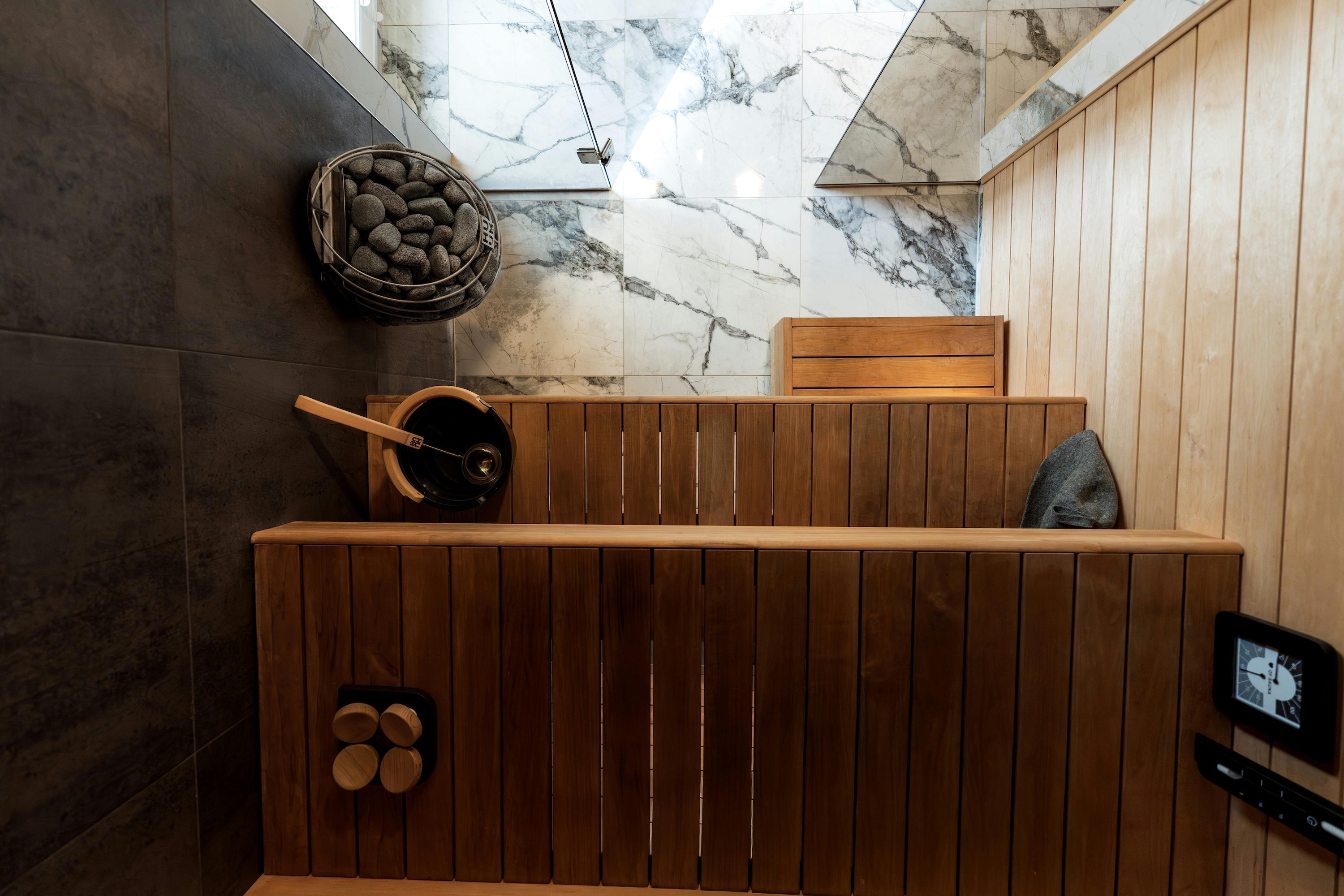
Infrared vs Steam Sauna vs Traditional Sauna: Key Differences Explained
Saunas have become increasingly popular among homeowners looking to create a personal wellness retreat. Whether installed indoors or as part of an outdoor living space, saunas offer a relaxing environment that many people incorporate into their health and wellness routines.
However, when shopping for a sauna, many buyers encounter an important question: Infrared vs traditional sauna — which option is right for your needs? Others compare infrared vs steam sauna systems to determine which provides the experience they prefer.
Understanding the differences between these sauna types can help homeowners make an informed purchasing decision while maximizing the value of their investment.
In this guide, we'll compare infrared saunas, steam saunas, and traditional saunas, explain how each operates, and discuss the factors that matter most when choosing the best sauna for your home.
Understanding the Three Main Types of Saunas
Before comparing features and benefits, it's important to understand how each sauna generates heat.
Infrared Saunas
Infrared saunas use infrared heaters that emit radiant heat designed to warm the body directly rather than primarily heating the surrounding air.
Infrared sauna systems typically operate at lower ambient temperatures than traditional saunas while still creating a warm and comfortable environment.
Traditional Saunas
Traditional saunas, often referred to as Finnish saunas, use electric or wood-burning heaters to warm the air inside the sauna room.
The heated air raises the room temperature, creating the classic sauna experience that many users recognize.
Steam Saunas
Steam saunas (steam rooms) use steam generators to produce moisture-filled heat.
Unlike dry saunas, steam rooms operate with very high humidity levels while maintaining lower air temperatures than traditional dry saunas.
Infrared vs Traditional Sauna: What's the Difference?
One of the most common sauna comparisons is infrared vs traditional sauna.
While both create a heated environment, the overall experience differs significantly.
Heat Delivery Method
Infrared Sauna:
- Radiant heat warms the body directly
- Lower ambient temperatures
- Typically easier for heat-sensitive users
Traditional Sauna:
- Heated air warms the entire room
- Higher overall temperatures
- Classic dry sauna environment
Temperature Range
Infrared saunas generally operate at lower temperatures, often between 120°F and 150°F.
Traditional saunas commonly operate between 150°F and 195°F, depending on user preference.
Heating Time
Infrared systems often require less time to reach operating temperatures compared to some traditional sauna models.
User Experience
Many homeowners choose traditional saunas because they enjoy the authentic high-heat environment associated with classic sauna bathing.
Others prefer infrared systems because of the lower temperature setting and different heating style.
Infrared vs Steam Sauna: Key Differences
Another popular comparison is infrared vs steam sauna.
Although both involve heat exposure, the humidity levels create very different experiences.
Humidity
Infrared Sauna:
- Dry heat environment
- Low humidity levels
Steam Sauna:
- Extremely high humidity
- Moist air environment
Temperature
Infrared saunas typically operate at higher temperatures than steam rooms but feel different because of the dry air.
Steam rooms usually operate around 110°F to 120°F while maintaining nearly 100% humidity.
Maintenance Requirements
Steam systems generally require more moisture management and ongoing maintenance due to the constant exposure to humidity.
Dry saunas often require less moisture-related upkeep.
Installation Considerations
Steam rooms require specialized waterproof construction materials and drainage systems.
Traditional and infrared saunas are often easier to integrate into residential outdoor living projects.
Traditional Sauna vs Steam Sauna
Traditional saunas and steam rooms both provide heat-based relaxation experiences but differ in several ways.
Traditional Sauna
Benefits include:
- Classic sauna experience
- Dry heat environment
- Flexible temperature control
- Popular outdoor installation option
Steam Sauna
Benefits include:
- High humidity environment
- Unique steam experience
- Often used in spas and wellness facilities
Many homeowners choose traditional outdoor saunas because they offer a balance of simplicity, durability, and authentic sauna tradition.
Which Sauna Type Is Best for Outdoor Installation?
For homeowners considering an outdoor wellness retreat, traditional dry saunas remain one of the most popular options.
Reasons include:
- Proven durability
- Traditional sauna experience
- Attractive outdoor designs
- Compatibility with backyard spaces
- Wide range of customization options
Outdoor dry saunas are frequently selected for:
- Backyard wellness spaces
- Vacation properties
- Poolside installations
- Outdoor entertainment areas
Factors to Consider Before Buying a Sauna
Available Space
Determine whether you plan to install the sauna:
- Indoors
- Outdoors
- Poolside
- Patio area
- Dedicated wellness room
User Preferences
Some individuals prefer:
- Dry heat
- High humidity
- Lower operating temperatures
- Traditional sauna rituals
Maintenance
Each sauna type requires different levels of maintenance.
Understanding long-term care requirements can help guide your decision.
Budget
Installation costs, operating expenses, and construction requirements vary depending on sauna style and size.
Why Outdoor Saunas Continue to Grow in Popularity
Outdoor wellness spaces have become one of the fastest-growing home improvement trends in the United States.
Homeowners increasingly invest in:
- Outdoor kitchens
- Fire pits
- Swim spas
- Wellness retreats
- Dry outdoor saunas
A well-designed outdoor sauna can create a dedicated space for relaxation while complementing the overall aesthetic of a backyard living environment.
To explore premium outdoor wellness products and luxury outdoor living solutions,
Visit: outdoorindulgence
Choosing the Right Sauna for Your Lifestyle
The best sauna ultimately depends on your personal preferences.
Choose an infrared sauna if you prefer:
- Lower room temperatures
- Direct radiant heat
- Modern sauna technology
Choose a steam sauna if you prefer:
- High humidity
- Moist heat environments
- Spa-like steam experiences
Choose a traditional sauna if you prefer:
- Authentic sauna culture
- Higher temperatures
- Dry heat
- Outdoor sauna installations
For many homeowners, traditional outdoor saunas provide the classic sauna experience while offering long-term durability and versatility.
Outdoor Indulgence
Phone: 571-500-9547
Email: support@outdoorindulgence.com
Frequently Asked Questions
What is the difference between infrared and traditional saunas?
Infrared saunas use radiant heat to warm the body directly, while traditional saunas heat the surrounding air to create a high-temperature environment.
Is infrared sauna better than steam sauna?
The answer depends on personal preference. Infrared saunas provide dry heat, while steam saunas create a humid environment with moist heat.
Which sauna gets hotter?
Traditional saunas typically operate at the highest temperatures compared to infrared saunas and steam rooms.
Are outdoor dry saunas a good investment?
Many homeowners view outdoor dry saunas as a valuable addition to backyard wellness spaces because of their durability, functionality, and year-round usability.
What is the most popular sauna type?
Traditional dry saunas remain among the most popular sauna styles worldwide due to their long history and authentic sauna experience.
Where can I buy premium outdoor dry saunas?
Homeowners can explore a range of premium dry outdoor sauna options through Outdoor Indulgence's sauna collection.
Conclusion
When comparing infrared vs traditional sauna and infrared vs steam sauna, there is no universal winner. Each sauna type offers a distinct experience, installation requirement, and maintenance profile.
For buyers seeking a classic sauna experience with proven durability and strong outdoor appeal, traditional dry saunas continue to be one of the most popular choices. By understanding the differences between infrared, steam, and traditional saunas, homeowners can confidently select the option that best aligns with their lifestyle, wellness goals, and outdoor living vision.



Leave a comment
This site is protected by hCaptcha and the hCaptcha Privacy Policy and Terms of Service apply.